










Integrated pest management (IPM) is an approach to pest control that involves using habitat management and exclusion techniques to reduce the chances of a pest infestation, rather than waiting to treat the issue.
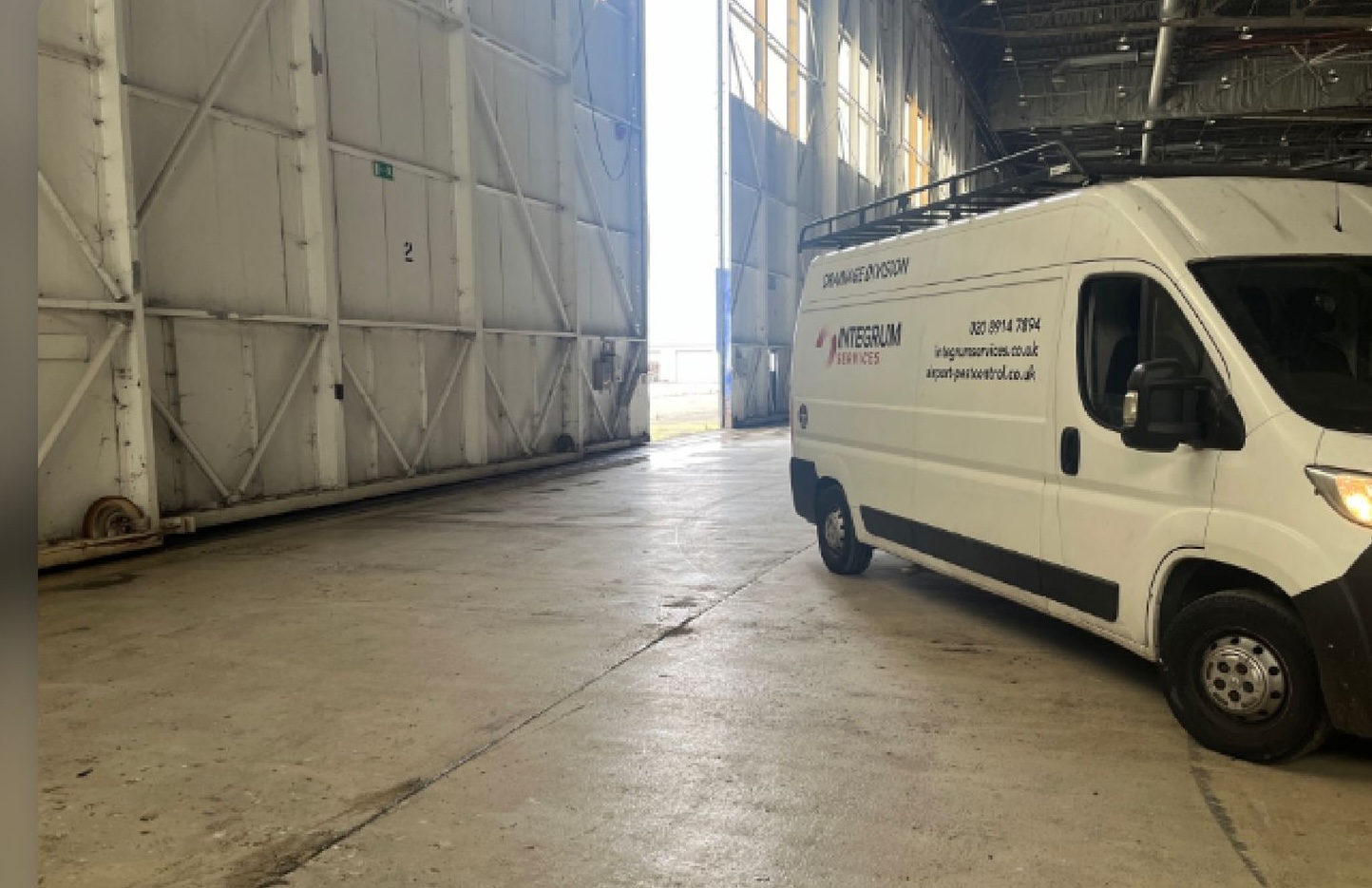
Because this method focuses on preventative methods, it can be ideal for large commercial sites, including airports, construction sites, farms, landfills, oil rigs and more.
As a leading provider of commercial pest control for sites across London, Surrey, Guildford, Redhill and throughout the South East, Integrum Services understands the importance of integrated pest management, so keep reading to learn more.
How Does Integrated Pest Management Work?
Integrated pest management was a solution invented during the 1960s and 1970s, to counteract the over-reliance on synthetic pesticides in the agricultural industry that had been in place since World War Two.
Because these products had been used heavily, many pests had developed pesticide resistance, and were devastating crops and spreading diseases to livestock as a result.
Over the years, the practice has spread, and is now used across a range of industries and site types to manage pest populations while also protecting non-target species.
Using a range of techniques, including monitoring and exclusion, the aim is to focus on natural pest control methods and preventative tactics.
Where necessary, chemical pesticides can be used, but they need to be targeted to a specific species to reduce their impact on the local habitat and other wildlife.
As the name suggests, this is a fully integrated approach, and relies on everyone from property managers to external pest control teams working together to build a integrated pest management plan that’s tailored to the site’s individual needs.
What Are The Main Principals Of Integrated Pest Management?
The main principals of integrated pest management are:
- Record Keeping: Regular reporting and monitoring is crucial to ensure that changes are made to the IPM plan and that it remains successful at managing pests throughout the year and despite any site changes that may occur.
- Pest Identification: Working out what species are actually pests that are causing harm, and what are just part of the local habitat, to avoid overuse of chemical pesticides and damage to the habitat.
- Setting Action Thresholds: Working out pest population levels where action is necessary to avoid pest damage and public health risks.
- Habitat Management: Solutions such as biological control, like cutting back vegetation to reduce hiding places for rodents, while also protecting wildlife and beneficial insects, ensures a balanced approach and reduces the impact on the local ecosystem.
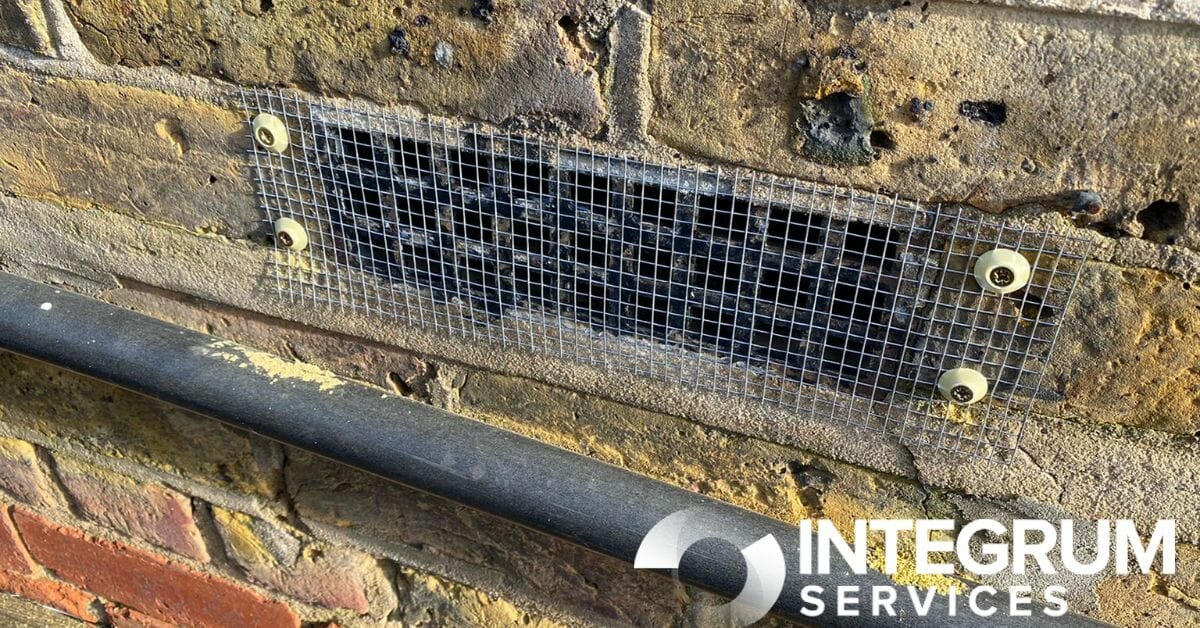
- Preventative Pest Control Measures: Methods such as pest exclusion, maintaining soil health and sanitation can reduce pest populations without the need for pesticides.
- Justified Pesticide Use: Where all other methods have failed or the pest density is particularly high, chemical solutions can be used, with a focus using targeted solutions and different control measures where possible.
- Ongoing Monitoring: Integrated pest management revolves around regular visits from pest control experts to continue to review the situation and adjust the IPM plan as required.
How Can You Apply Integrated Pest Management To Your Commercial Premises?
Integrated pest management requires extensive pest control expertise and regular site visits. That’s why it’s advised that you work with an experienced pest control provider like Integrum Services.
Our team of commercial pest controllers have extensive experience removing all common pests, including rats, mice, squirrels, moles, moths, rabbits, bees, wasps, fleas, bed bugs, cockroaches and more.
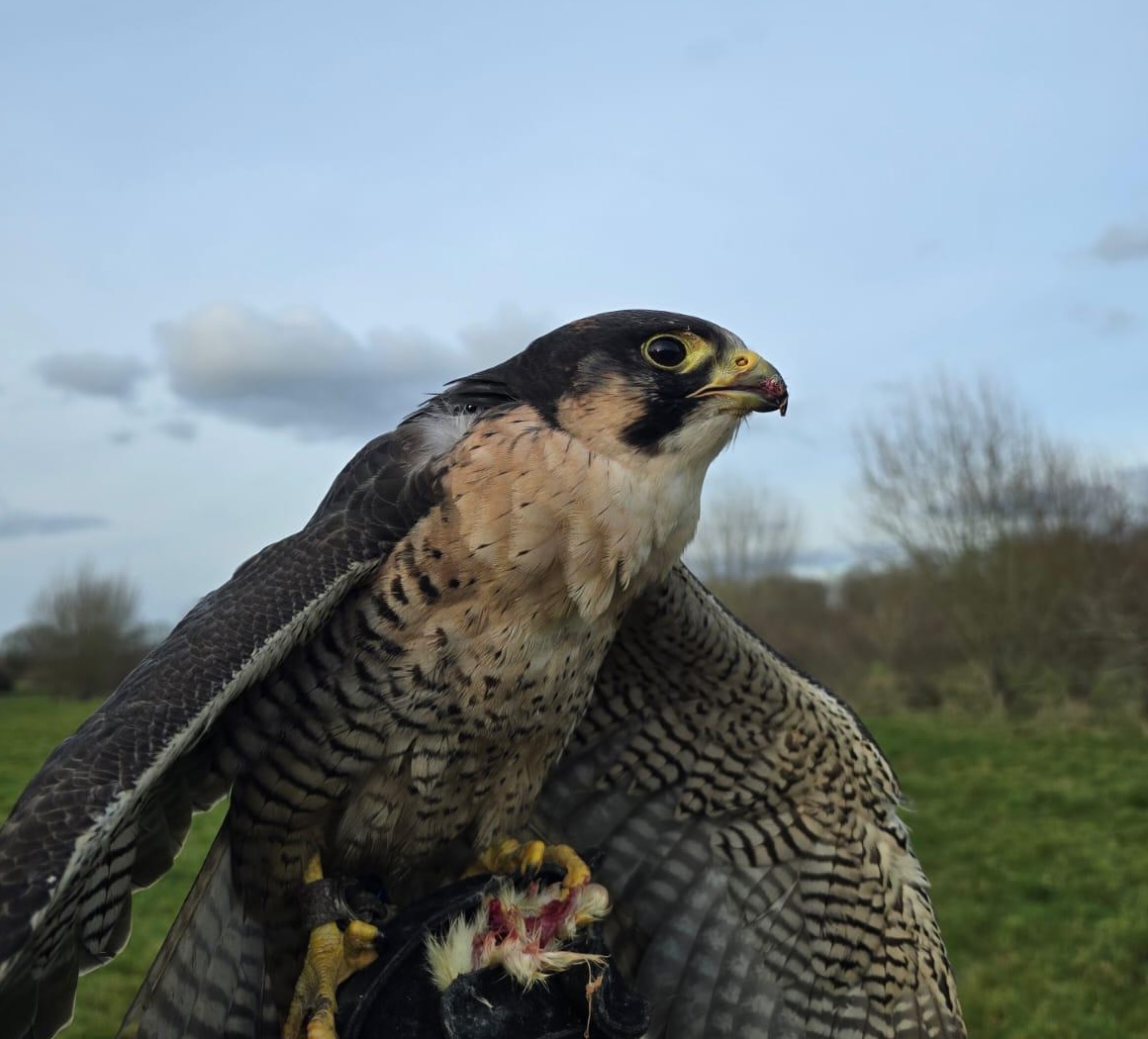
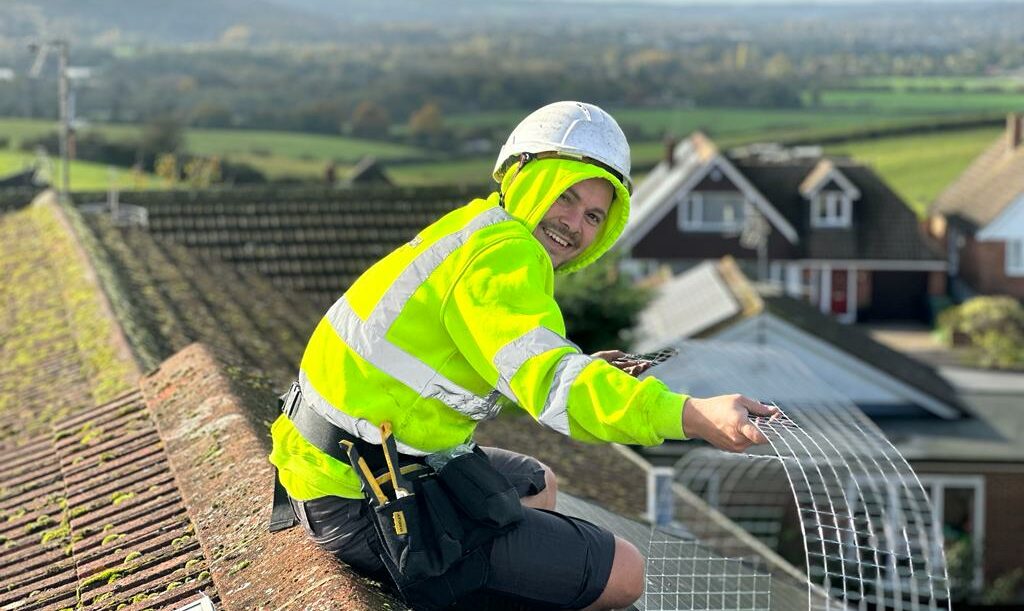
Additionally, we can provide a wide range of bird control solutions, including bird netting, bird spikes, laser bird deterrents, falconry and more.
Integrated pest management is never a one-size-fits-all solution, which is why we always carry out a thorough site inspection and create a strategy based on your location’s pest risk, local habitat, current pest populations and other factors.
Using a combination of natural pest control methods, pest proofing and ongoing monitoring, we can significantly reduce the chances of a pest infestation and carry out fast, effective treatment if an issue does arise.
To book a free site survey and start building an integrated pest management strategy, contact us on 0204 566 5522 or email us at [email protected].