










Falconry is a term that’s come into the public conscious over recent years, as it appears more prominently in books and films, such as H Is For Hawk. Still, many people might wonder what falconry is and how it works.
As leading providers of falconry bird control across London, Surrey and the South East, Integrum Services has a strong understanding of the practice, and in particular how it can be used to deter pest birds. Keep reading to learn more about its history and why falconry remains such a common practice today.
What Is Falconry?
Put simply, falconry is a traditional art involving flying birds of prey, usually after live quarry such as small birds or mammals.
While that is the core of the practice, it also involves having a strong bond with your bird and an understanding of nature. Birds of prey aren’t domesticated, and flying after quarry is their natural state.
Trained birds used for falconry need to be closely connected to their handler, or else they will fly away and won’t return. They may also become depressed and refuse to eat or fly if kept in improper conditions.
Sometimes called ‘the sport of kings’, falconry requires a lot of time and effort, but can be highly rewarding for falconers.
How Long Has Falconry Been Practiced?
Falconry is an ancient art that dates back centuries, and is believed to have originated in either Central Asia or the Middle East, in an area known as Mesopotamia or in Mongolia.
Birds of prey were originally used for hunting, but over the years there has been diversification, and while many modern falconers do displays at falconry centres and events, many use their birds of prey as a natural bird control solution.
To learn more about the history of falconry and how the practice has evolved over the centuries, read our Brief Guide To The History Of Falconry.
What Birds Are Used In Falconry?
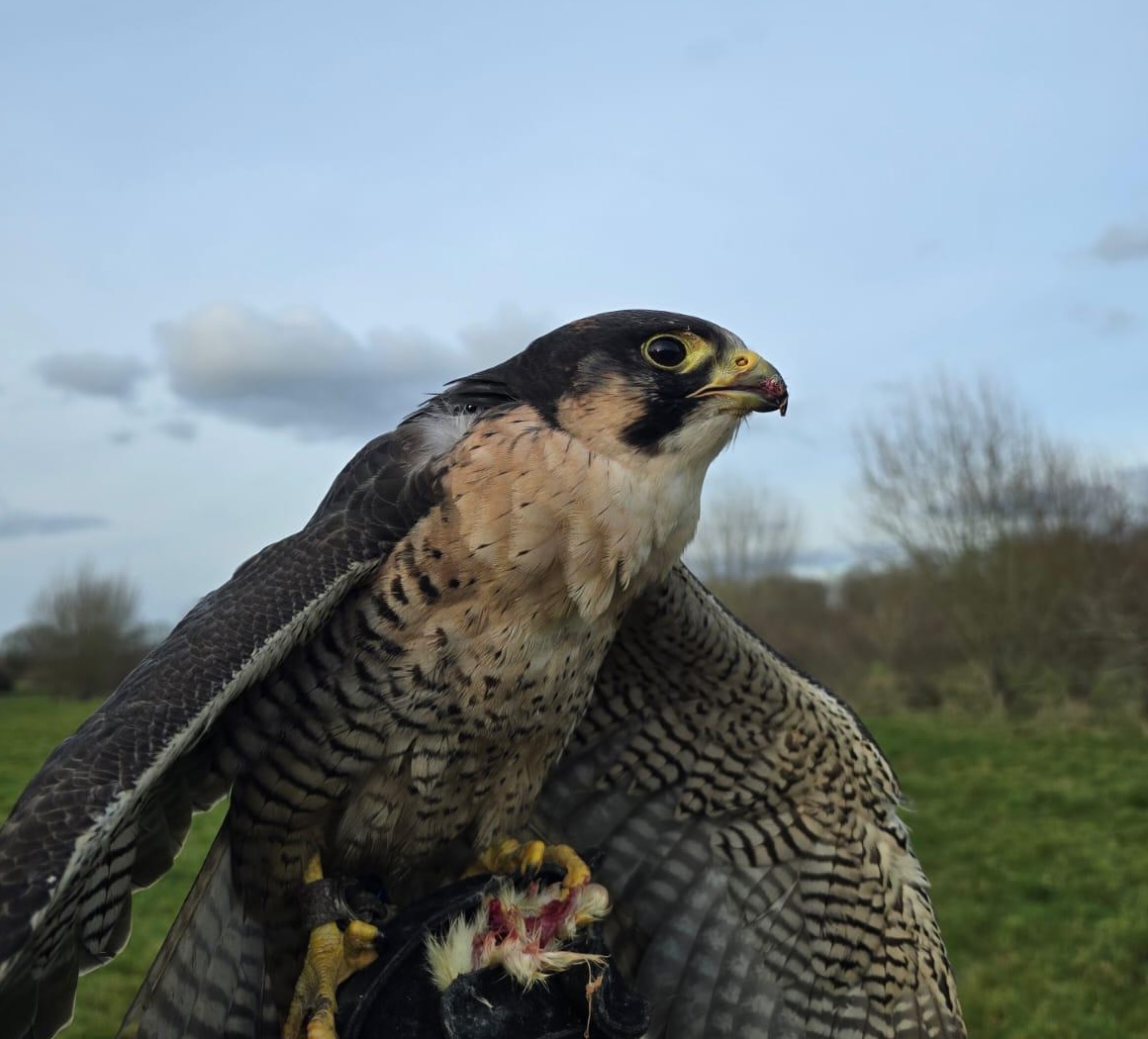
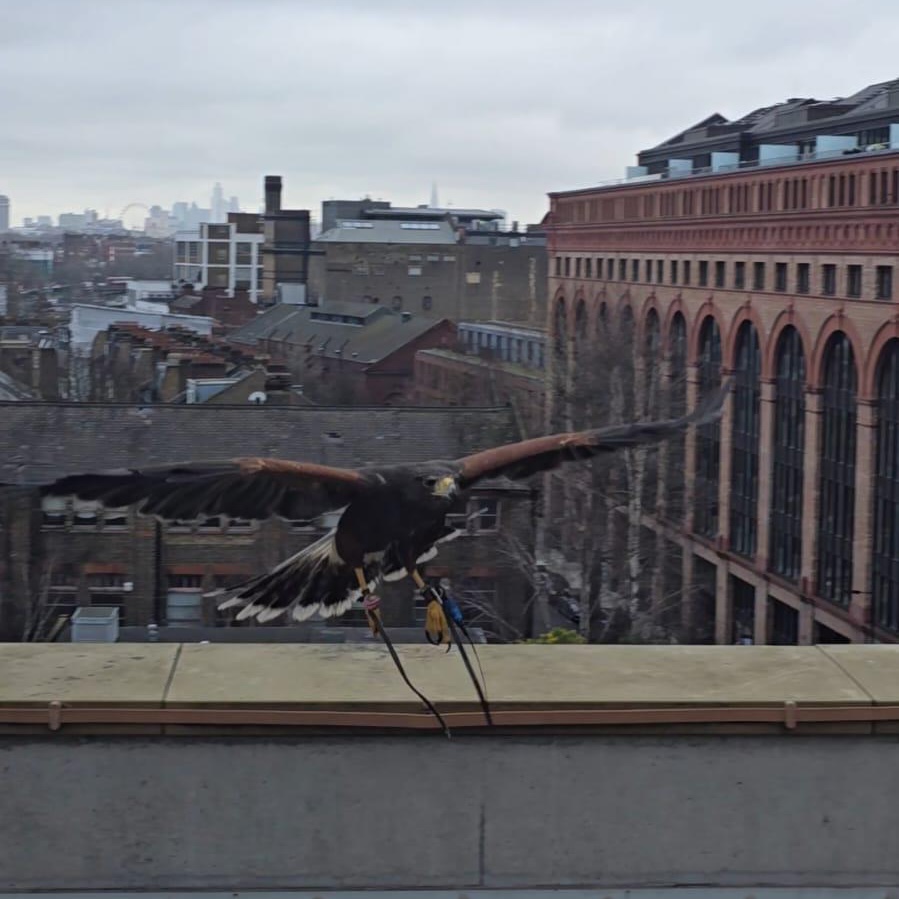
There are many bird of prey species used in falconry, ranging from true hawks and falcons to other raptors. In the UK, common birds of prey used by falconers include peregrine falcons, harris hawks and red tailed hawks are used.
While these are some of the most popular species used by most falconers, other birds of prey, such as saker falcons, goshawks and even eagles can be used.
The type of birds used in falconry depends on their use. If you’re hunting small animals or even small game, you will need a larger bird than those who are deterring small birds. Some birds are also quicker and easier to teach, particularly harris hawks, meaning the training process is faster, making them more attractive to beginners.
Traditionally, wild birds were caught and used for falconry, but as it became a more popular sport, some common birds, such as peregrine falcons, became an endangered species in the UK.
This led to the introduction of The Protection of Wild Birds Act 1967, which restricted the taking of eggs or live birds from the wild.
This law was a precursor to the Wildlife and Countryside Act 1981, which prohibits taking wild birds or their eggs without a license. This has led to a shift towards captive bred birds of prey being used in modern falconry.
Do You Need A Falconry License In The UK?
There is no official falconry license needed to keep a bird of prey and fly it. However, your bird will need to be ringed and captive bred, and you need a license to take a wild bird.
Also, several species, including popular falconry birds such as goshawks, peregrine falcons and merlins, have to be registered if kept in captivity in the UK.
You may also need the landowner’s permission to fly on their land. Birds of prey often cover large distances in search of prey, particularly small mammals such as rabbits that can run quickly. As such, anyone practicing falconry needs to make sure they have permission to fly in a specific area, or risk being sued for trespassing or poaching.
That’s why many site managers choose professional pest control providers, like Integrum Services, for their falconry bird control. Our team have extensive training and legally-obtained birds, and will ensure your bird control is carried out safely and complies with all relevant regulations.
How Integrum Services Carries Out Falconry Bird Control
At Integrum Services, our trained falcons are used to carry out bird control on a range of commercial sites, including airports, construction sites, hospitals, landfill sites and offshore oil rigs.
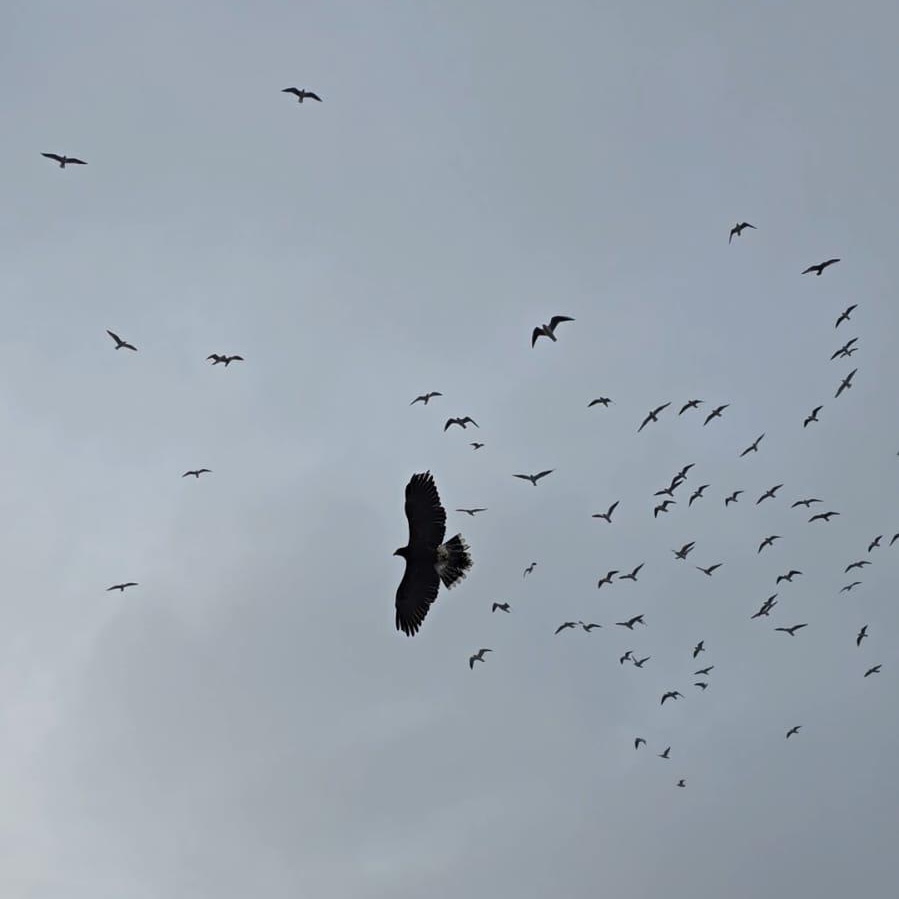
Many bird species are prey to falcons and hawks, and will leave an area if they see a bird of prey hunting there. Because most birds are highly territorial, they will leave the area, and while it takes multiple return visits, this can be a lasting, natural form of bird control.
It’s not just small birds, such as sparrows and starlings, that will avoid birds of prey. Pigeons and gulls will also leave an area with falcons, as their young and eggs might be in danger.
As such, falconry today is the ideal solution for keeping birds out of large sites, particularly wide open spaces where other bird proofing solutions, such as bird netting or bird spikes, might be less effective.
Falconry is a natural solution, and it doesn’t harm the local habitat, making it an environmentally-friendly way to remove pest birds.
If you want to find out more about falconry and how it can deter other birds from your commercial property, contact us on 0204 566 5522 or email us at [email protected].