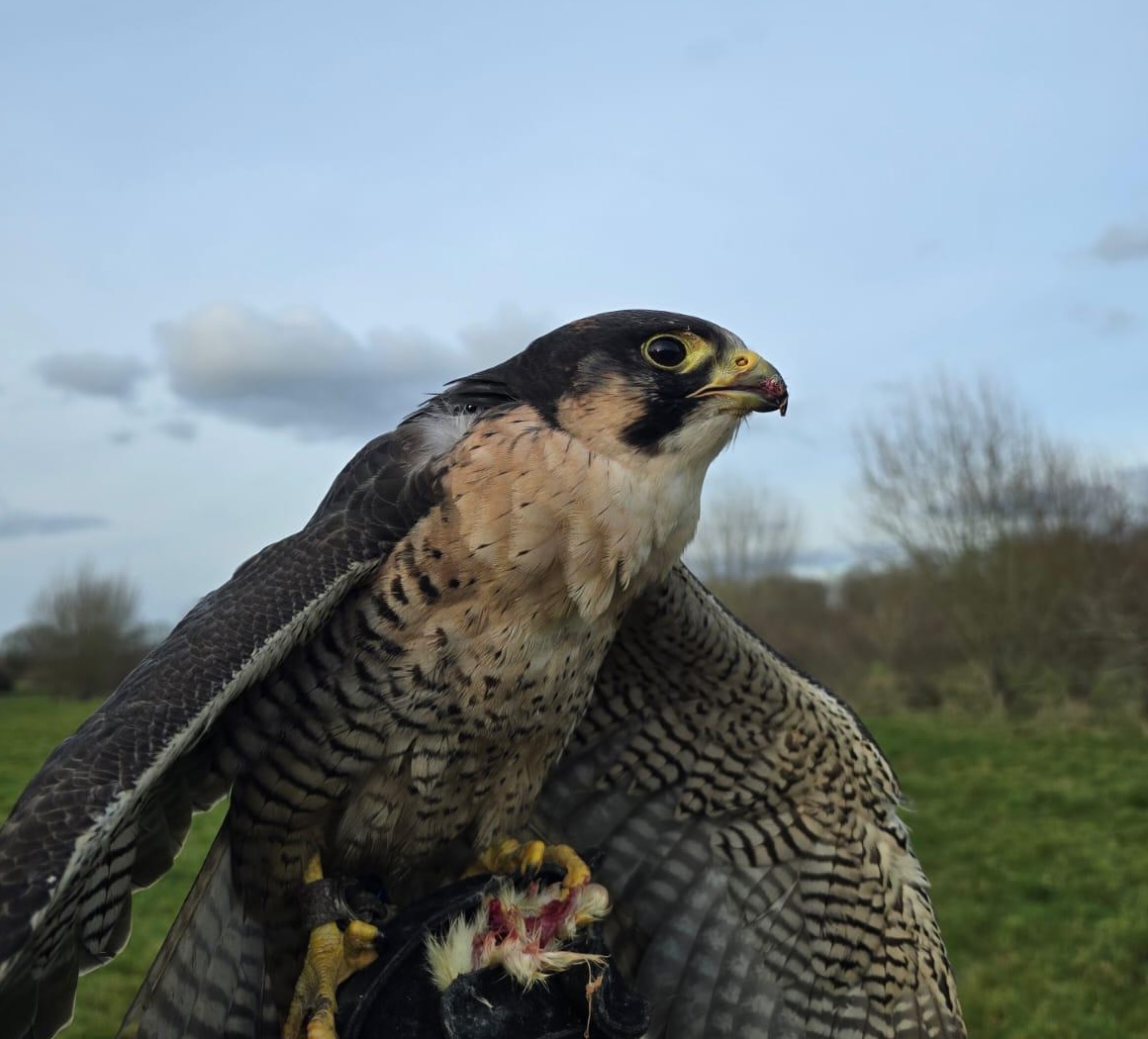












Trained birds of prey have been used around the world for centuries, and many falconers still use traditional methods to this very day.
The uses of falconry have evolved from a source of food, to a status symbol, to its modern purpose as an effective method of bird control.
At Integrum Services, we use falconry to protect sites across London, Surrey and the South East from nuisance birds including pigeons, gulls and other species. Learn more with our brief history of falconry and find out why this ancient art is still practiced today.
How Falconry Began
Falconry is believed to have originated in either Central Asia or the Middle East, in an area known as Mesopotamia or in Mongolia, where the practice dates back to 1000 years BC, or over 3000 years ago. It is believed that birds such as hawks or eagles were used to hunt wild quarry for food. It is also thought that falconry could have begun in Iran or Persia, back as far as 10,000 years ago.
Wherever falconry originated, it quickly spread across the world, with birds being traded and sold and included in art. Many falconers caught wild birds of prey and tamed them, training them to hunt for food or using them for sport or even in warfare to pass messages.
Falconry Around The World
Falconry began to spread globally, with books such as De Arte Venandi cum Avibus (On The Art of Hunting with Birds) published by Holy Roman Emperor Frederick II in the 1240s, and early uses of falconry being documented on practically every continent.
While the practice dates back to ancient times, the sport of falconry became popular in the 19th century. While World War II and other global events made progress slow, falconry remained a key part of life in the UK and globally.
The first falconry club in the UK was the Old Hawking Club, created in 1864. Members subsequently founded the British Falconers’ Club (BFC) in 1927 to modernise falconry, and today it remains dedicated to helping falconry grow and flourish responsibly.
Field meetings became common throughout the 1930s- 1960s, as the sport continued to grow and falconers started to meet to discuss tactics.
Over time, some species, such as peregrine falcons, became scarce in the UK due to falconers taking them from the wild and training them for falconry. As a result, in 1967 The Protection Of Wild Birds Act was bought in to make it illegal to disturb the nests of wild birds or to ring them without permission.
This law led to the introduction of The Wildlife And Countryside Act 1981, which bans anyone from taking any wild birds. It led to the introduction of falconry licenses through Natural England, and licensing to keep many species in captivity.
Today, most birds of prey flown in the UK are captive bred and trained specifically for falconry.
With greater regulation, falconry has become the practice it is today, and modern falconry seeks to combine this traditional art with conservation to protect wild animals and birds while also make the most of this natural technique for bird control and hunting.
How Falconry Is Used In The UK Today
Today, falconry remains a popular sport that has been immortalised in modern art and literature. There are falconry clubs and centres around the UK and globally that showcase many birds of prey and help new falconers to start practicing falconry.
Among the many modern falconry practices is the use of trained birds of prey for bird control. Pest bird species, such as pigeons, seagulls, starlings and other small birds, are prey birds to falcons and hawks, and will avoid areas where they are known to fly.
As such, experts like the team at Integrum fly falcons and hawks across large commercial sites, including airports, construction projects, landfill sites, oil rigs and other areas where birds can cause disruption.
This natural method of bird control is efficient and cost-effective, making it ideal for many sites where a free bird can be flown to deter nuisance birds. You can learn more in our guide: What Is Falconry? A Guide To Falconry Bird Control.
If you’re interested in using falconry or other bird control methods for your commercial site throughout London and the South East, then contact us on 0204 566 5522 or email us at [email protected].